

Key Takeaways
- To deter break-ins, avoid showcasing valuable items that might attract thieves, secure sliding doors and windows with rods or pins and never leave a spare key in obvious hiding spots.
- Creating the illusion of someone being home through lights, TVs or radios turned on and utilizing a security system sign in your yard can further discourage potential burglars.
- Strengthen your home’s security by maintaining a well-lit and trimmed yard, getting to know your neighbors for communal vigilance and securely locking all entries, including the garage door.
When thinking about how to prevent break-ins from happening to you, there are a few things you should keep in mind. When thieves break into homes, there’s a greater chance of them doing so during the day when many people are at work. Also, around 40 percent of annual household burglaries in the United States are not forced entries, meaning someone was able to walk, climb or crawl inside of houses almost as easily as if the owners left a key in the door [source: Bureau of Justice Statistics].
To keep unwanted intruders out of your home, you don’t have to turn your property into a suburban Fort Knox. There are many solutions that require no money at all — just a little common sense. Read on to learn about things you can do that take little time or resources to make your home a safer haven.
Contents:
Secure Sliding Doors and Windows

Don’t leave unchained bikes like this one out in the yard.
Leaving certain things lying around your yard or in plain sight from the road can unwittingly lure thieves onto your property like frantic bargain hunters to a flea market. First, if you have a bicycle or scooter that someone could easy to walk away with, roll it inside or into your garage. Also, after purchasing a new plasma screen television or other pricey electronics or appliance, don’t leave the box out beside the trash can or recycling bin [source: Kraeutler]. That tells people you have something brand spanking new that could fetch decent dollars on the street. It may also leave them wondering what other goodies are inside your home.
You may also be showing off too much to people walking by your house as well. Open up your curtains, blinds or shades and stroll around the house and see what’s visible. If you have a number of expensive items within plain sight or near windows, think about doing a minor redesign to move them out of view.

The right side of this house is just asking for a thief to camp out. Keep areas lit up outside.
If burglars can tell that someone is home, there’s a greater chance that they won’t attempt to break in. Remember, more break-ins occur during the day when many people are at work. For that reason, when you leave the house, create an illusion that someone’s still there. You can leave a light on, along with music or your television for good measure. Of course, if you’re going to be burning up that electricity by not turning off lights when you leave, make sure you’ve installed compact fluorescent bulbs that last longer and are better for the environment.
You can also mentally fake them out by putting a home security system sign in your yard. This won’t guarantee they won’t test out whether it’s valid, but it could deter them. According to the Office of Community Oriented Police Service, most residential thieves stay away from houses with such signs [source: Sampson].
Secure Sliding Doors and Windows
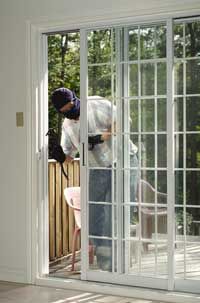
Put a strong rod or dowel on the back track of sliding doors to prevent break-ins.
You can easily break into some older sliding doors by simply popping them off of their frame, even when locked. It’s harder to do that with newer ones, but you should still take extra precaution to secure them since they can be an inviting entry for burglars. Simply take a strong dowel, steel bar or two-by-four and slide it into the back groove. That way, even if people can pick the lock, the rod stops the door from sliding back and opening.
Although you should always lock your windows before leaving the house, you can install a simple pin or nail into to the frame to stop it from raising more than a few inches. This will add an additional layer of security in case someone pops off the screen and you have left the window unlocked. If you have a wooden window frame, you can drill a hole at your desired height above the sash, where the top and bottom window meet. Then, insert a thick metal pin or a sturdy nail into the hole. You can remove the stopper if you want to open the window completely and put it back in for security.
Also remember to check window air conditioning units. If you can jimmy the window up from the outside, add a stopper to that frame.
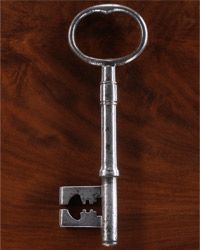
Don’t hide spare keys outside
It may seem like a good idea to leave a spare key hidden under a flower pot or doormat in case you get locked out of your house. But that’s an open invitation for a burglar to walk inside without any difficulty. Someone could also see you retrieve the key at some point, giving away your hiding place.
Instead, give a spare to a neighbor you know well or friend who lives nearby for safekeeping. Since most people now own cell phones, if you lock yourself out you can call for help or walk over to the person’s house. You could also put the spare into a combination lockbox and hide that somewhere outside.
Remember to never put any identifying information on your house keys. If you lose them, and someone else finds them, it would be fairly easy to trace them back to your home and break in.
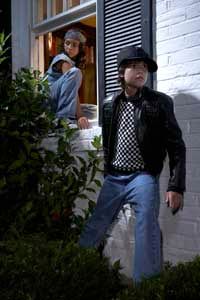
Tall bushes around your house make perfect hiding places for thieves.
Tall shrubs and overgrown trees are welcome hiding places for criminals to wait until the coast is clear to get into your house. That doesn’t mean you need to cut down every plant in your yard. Just keep things manicured.
Low shrubs in front of windows remove additional covering for thieves if they attempt to break in through one. Cut away any tall tree branches that reach upper story windows and protect against attacks from above. Regularly trimming larger bushes and tree branches also eliminates dark shadows that help hide intruders.
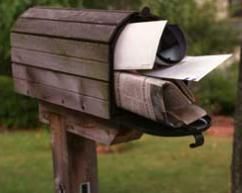
The mailbox screams “my owner isn’t home this week, so feel free to break in.
Residential crime spikes during July and August as people set off on summer vacations [source: OIsen]. As mentioned earlier, if you are going out of town for an extended period of time alert neighbors you trust about your trip and ask that they keep an eye on your property during that time.
More importantly, when you leave town, don’t leave signs of an empty house. That will only make your house look like a giant bulls-eye to a thief. First, if you have a home phone, don’t change your message to alert callers that you have left town. Also avoid having piled up mail, overgrown lawns and newspapers strewn about your yard that send surefire signals you’re miles away.
Have a friend house sit or at least pick up your mail and newspapers. Ask them to move your car periodically to make it look like you’re still around. During the winter if you live in a cold weather climate, consider having someone shovel snow from your driveway. In the summers, arrange for someone to cut your lawn
If you rent a house or apartment, you have more incentive to get to know your community because renters are 85 percent more likely to experience a break-in [source: National Crime Prevention Council]. This may be because renters aren’t as likely to watch out for one another or have any sort of community watch program.
Locking windows and doors is the most important thing you can do to stop a break-in.
As mentioned earlier, more than 40 percent of break-ins happen without the use of force. That means a lot of people are leaving their houses without locking the doors and windows. If you have a thumb latch lock and a deadbolt on your doors, always lock the dead bolt. Double-check weaker doors such as patio and sliding ones to make sure their locks are strong enough to withstand kicks. When you leave your home, don’t forget to lock up the door leading from the garage to inside.